Colorado Hi-Tech Solutions
  • Technology Solutions
        • Managed IT
          • Managed Services
          • Managed Security
          • Compliance
          • Co-Managed IT
        • VoIP Services
          • Business Phone Systems
          • Unified Communications
          • SIP Trunks
        • Internet Solutions
          • SD-WAN
          • Fiber
          • Cable
        • Low Voltage Cabling
  • Resources
    • Blog
    • Testimonials
  • About Us
    • Leadership Team
    • Partners
    • Areas We Serve
      • Pueblo, CO
      • Denver, CO
      • El Paso County, CO
    • Careers
  • Contact
  • Menu Menu

How Your Company Can Build a Cybersecurity Compliance Plan

Learn the key components to consider when building a cybersecurity compliance plan so you can protect your company’s data and sensitive information from cyberattacks and ensure compliance with industry regulations.


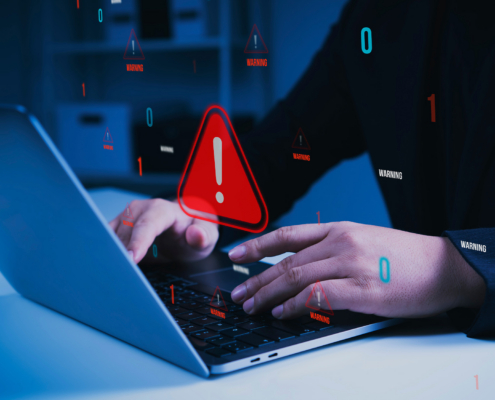
Doctor typing on a laptop with a glowing shield icon

What Is a Cybersecurity Plan for Business Compliance?

A cybersecurity plan for business compliance is a structured framework designed to protect digital assets, sensitive data, and IT infrastructure while complying with applicable industry regulations, standards, and legal requirements.

Key Steps for Building a Cybersecurity Compliance Plan

A successful cybersecurity plan that meets compliance requirements should include the following key components: risk assessments, data protection measures, incident response protocols, employee training, continuous monitoring, and regular audits.

Let’s take a look at each of these in more detail:

Risk Assessment and Management

A thorough risk assessment identifies potential threats, vulnerabilities, and risks to the organization’s sensitive data and IT infrastructure. Regular risk assessments ensure that businesses prioritize their resources in the most critical areas.

Key elements include:

  • Inventory of hardware, software, and data assets
  • Evaluate potential internal and external threats
  • Risk mitigation strategies, including encryption, access controls, and firewalls

Clear Security Policies and Procedures

Well-defined cybersecurity policies outline how employees and third parties should handle sensitive information, ensuring consistent practices across the organization.

Key elements include:

  • Data classification and handling policies
  • Access control policies (least privilege access, password management, etc.)
  • Incident response procedures to guide teams during a breach

Employee Training and Awareness

Human error is a leading cause of data breaches. Regular training ensures employees recognize and respond to potential threats like phishing attacks and social engineering tactics.

Key elements include:

  • Phishing simulation exercises and reporting mechanisms.
  • Cyber hygiene training, including secure password practices and device management.
  • Regular updates on emerging cyberthreats and compliance requirements.

Continuous Monitoring and Incident Response

Continuous monitoring allows businesses to detect suspicious activity early, minimizing the damage from cyber incidents. A robust incident response plan ensures swift action when a breach occurs, reducing downtime and costs. 

Key elements include:

  • Real-time network and endpoint monitoring tools.
  • Incident response playbooks that outline roles, responsibilities, and communication protocols.
  • Post-incident reviews to improve the cybersecurity plan.

Regulatory Compliance and Reporting

Regulatory compliance and reporting help businesses comply with industry rules and government regulations designed to protect sensitive data, ensure ethical practices, and maintain customer trust. Failure to comply can lead to heavy fines, legal issues, data breaches, and reputational damage.

Key elements include:

  • Data retention and disposal policies to manage the lifecycle of sensitive information in accordance with regulations.
  • Auditing and monitoring controls to track system activity and ensure continuous compliance.
  • Regulatory reporting processes to meet mandatory reporting requirements in case of a breach or compliance issue.

Keep your company from falling behind. CHTS has a proven track record of keeping businesses in the Colorado Springs area compliant.

Make Me Compliant

Updating Your Cybersecurity Plan to Meet Industry Needs

After implementing the components above, you can enhance your cybersecurity plan to meet compliance requirements by meeting your industry’s specific regulations. These requirements vary significantly depending on a business’s unique risks and the types of data it handles. Below are a few of the industry-specific regulations companies need to consider when building a cybersecurity compliance plan.

Healthcare

The healthcare industry uses regulations, including the Health Insurance Portability and Accountability Act (HIPAA) and the Health Information Technology for Economic and Clinical Health Act (HITECH), to protect patients’ sensitive information. Help your business meet HIPAA, HITECH, and other industry regulations with the following tips:

  • Identify and protect against anticipated threats against electronic protected health information (ePHI) created, stored, or transmitted.
  • Only allow authorized persons to access any ePHI.
  • Implement hardware, software, and/or procedural mechanisms to log and analyze activity in information systems that contain or use ePHI.

Finance

The finance industry adheres to strict regulations, including the Gramm-Leach-Bliley Act (GLBA), Sarbanes-Oxley Act (SOX), and Payment Card Industry Data Security Standard (PCI DSS), to safeguard sensitive financial data. Help your business meet GLBA, SOX, PCI DSS, and other industry regulations by meeting the following requirements:

  • Ensure the confidentiality of customer data.
  • Regularly assess risks and implement safeguards.
  • Maintain a secure network.
  • Protect cardholder data through encryption.
  • Implement strong access control measures.

Retail

Retailers also adhere to PCI DSS and privacy regulations that vary by business location. To ensure consumer privacy, retailers should:

  • Use a secure payment processing system.
  • Encrypt cardholder data during transmission.
  • Regularly test and monitor networks for vulnerabilities.
  • Maintain an information security policy.

Education

Because educational institutions handle large volumes of sensitive data, including student records, financial information, and research data, they must follow regulations like the Family Educational Rights and Privacy Act (FERPA) and PCI DSS. To protect students and faculty, institutions should:

  • Ensure the confidentiality and integrity of student education records.
  • Implement access controls to limit who can view or modify sensitive information.
  • Provide regular training to staff and faculty on data privacy and cybersecurity best practices.
  • Use encryption to transmit and store sensitive student and research data.
  • Regularly update software and hardware to mitigate vulnerabilities.
  • Conduct regular security audits and risk assessments.
  • Establish a clear incident response plan tailored for educational environments.

Tools and Frameworks You Can Use to Meet Cybersecurity Compliance Requirements

When building your cybersecurity compliance plan, you can use a variety of advanced tools and proven frameworks to implement robust, compliance-driven cybersecurity strategies tailored to your specific operational needs. Frameworks, such as NIST and ISO, provide structured guidelines for managing security risks, while tools, including vulnerability scanners and endpoint protection platforms, help detect and mitigate threats in real-time.

NIST Cybersecurity Framework

The National Institute of Standards and Technology (NIST) Cybersecurity Framework provides a flexible structure for managing cybersecurity risks. Its core functions are identifying, protecting, detecting, responding, and recovering.

ISO/IEC 27001

This international standard outlines best practices for an information security management system (ISMS). Its core functions help systematically manage sensitive information and facilitate compliance with multiple requirements.

CIS Controls

The Center for Internet Security (CIS) provides a set of best practices to enhance cybersecurity. It uses a list of actions to mitigate risks and is regularly updated to address evolving threats.

Automated Compliance Tools

Streamline compliance efforts by automating key tasks with automated compliance tools:

  • Vulnerability scanners: Identify and remediate vulnerabilities in your systems.
  • Policy management tools: Ensure that all policies are updated and adequately documented.
  • Audit and reporting tools: Simplify the process of demonstrating compliance during audits.

How Often Should a Company Be Updating Cybersecurity Plans?

With cybersecurity threats growing more sophisticated and regulatory requirements continually evolving, it’s crucial to regularly update and fortify your cybersecurity plan to stay ahead of emerging risks and maintain full compliance.

Recommended Update Frequency:

  • Once you build a cybersecurity compliance plan, you should plan to perform a comprehensive review and update it annually.
  • Update your plan whenever there are significant changes in your business operations, including major technology updates or market expansion.
  • Revise your plan after any security incidents occur. Analyze what went wrong as a blueprint for improvements.

Steps for Updating Cybersecurity Plans:

  • Review regulatory updates: Stay informed about changes to relevant compliance standards.
  • Conduct a new risk assessment: Identify any new risks or vulnerabilities.
  • Update policies and procedures: Ensure that all documentation reflects current best practices.
  • Test the updated plan: Conduct drills and simulations to validate the effectiveness of the revised plan.
  • Communicate changes: Provide updated training to employees to ensure they understand new policies or procedures.

Practical Tips for Building a Compliance-Ready Cybersecurity Strategy

  • Start with a gap analysis: Compare your current security against regulatory requirements to identify areas for improvement.
  • Engage stakeholders: Involve key stakeholders, including IT, legal, and executive teams, in developing the cybersecurity plan.
  • Leverage third-party expertise: Partner with a managed compliance expert to assist with compliance efforts, and improve your security, especially in highly regulated industries.
  • Adopt an in-depth defense approach: Implement multiple layers of security to protect sensitive data.
  • Prepare for audits: Keep detailed records of all compliance documents and cybersecurity activities to facilitate the audit process.

Enhance your cybersecurity plan by incorporating additional, targeted measures to strengthen your defense against evolving threats, safeguard critical business assets, and ensure full compliance with industry-specific regulations.

Experience Effective Security With Colorado Hi-Tech Solutions

Building a cybersecurity compliance plan is not a one-time task but an ongoing process. CHTS is a comprehensive service provider with almost 30 years of experience helping businesses in Colorado Springs create or update cybersecurity plans.

Share This Post

  • Share on Facebook
  • Share on X
  • Share on WhatsApp
  • Share on Pinterest
  • Share on LinkedIn
  • Share on Tumblr
  • Share on Vk
  • Share on Reddit
  • Share by Mail

More Like This

Understanding New Cyber Insurance Requirements

Cybersecurity
https://coloradohitechsolutions.com/wp-content/uploads/2026/05/Understanding-New-Cyber-Insurance-Requirements.jpg 1250 2000 Abstrakt Marketing /wp-content/uploads/2024/02/CHTS-Logo-Horizontal-LightBG-1.svg Abstrakt Marketing2026-05-12 14:03:522026-06-15 09:57:57Understanding New Cyber Insurance Requirements

What Happens When AI Hackers Impersonate Your IT Provider

Cybersecurity, Managed IT
https://coloradohitechsolutions.com/wp-content/uploads/2026/05/What-Happens-When-AI-Hackers-Impersonate-Your-IT-Provider.jpg 1250 2000 Abstrakt Marketing /wp-content/uploads/2024/02/CHTS-Logo-Horizontal-LightBG-1.svg Abstrakt Marketing2026-05-12 13:44:162026-06-15 09:57:57What Happens When AI Hackers Impersonate Your IT Provider

How Your Employees Could Be Creating AI Data Security Risks

Cybersecurity
https://coloradohitechsolutions.com/wp-content/uploads/2026/05/Your-Employees-Are-Already-Using-AI-at-Work.jpg 1250 2000 Abstrakt Marketing /wp-content/uploads/2024/02/CHTS-Logo-Horizontal-LightBG-1.svg Abstrakt Marketing2026-05-12 13:28:522026-06-15 09:57:58How Your Employees Could Be Creating AI Data Security Risks
Database storage cloud technology file data transfer sharing

Cloud Security Best Practices Every Colorado Springs Business Should Know

Cybersecurity
https://coloradohitechsolutions.com/wp-content/uploads/2025/08/Database-storage-cloud-technology-file-data-transfer-sharing.jpg 1250 2000 Abstrakt Marketing /wp-content/uploads/2024/02/CHTS-Logo-Horizontal-LightBG-1.svg Abstrakt Marketing2025-08-18 08:49:342026-06-15 09:58:00Cloud Security Best Practices Every Colorado Springs Business Should Know

How to Protect Your Business From Insider Threats to Cybersecurity

Cybersecurity
https://coloradohitechsolutions.com/wp-content/uploads/2025/08/How-to-Protect-Your-Business-From-Insider-Threats-to-Cybersecurity.jpg 1250 2000 Abstrakt Marketing /wp-content/uploads/2024/02/CHTS-Logo-Horizontal-LightBG-1.svg Abstrakt Marketing2025-08-12 09:36:552026-06-15 09:58:01How to Protect Your Business From Insider Threats to Cybersecurity

How To Implement Effective Cybersecurity Awareness Training for Your Employees

Cybersecurity
https://coloradohitechsolutions.com/wp-content/uploads/2025/08/How-To-Implement-Effective-Cybersecurity-Awareness-Training-for-Your-Employees-2.jpg 1250 2000 Abstrakt Marketing /wp-content/uploads/2024/02/CHTS-Logo-Horizontal-LightBG-1.svg Abstrakt Marketing2025-08-07 09:42:232026-06-15 09:58:01How To Implement Effective Cybersecurity Awareness Training for Your Employees
How Cybersecurity Services in Colorado Save Your Business From Costly Data Breaches

How Cybersecurity Services in Colorado Save Your Business From Costly Data Breaches

Cybersecurity, Managed IT
https://coloradohitechsolutions.com/wp-content/uploads/2025/06/How-Cybersecurity-Services-in-Colorado-Save-Your-Business-From-Costly-Data-Breaches.jpg 1250 2000 Abstrakt Marketing /wp-content/uploads/2024/02/CHTS-Logo-Horizontal-LightBG-1.svg Abstrakt Marketing2025-06-24 10:28:362026-06-15 09:58:02How Cybersecurity Services in Colorado Save Your Business From Costly Data Breaches
5 Questions to Ask Before Choosing a Cybersecurity Provider in Colorado

5 Questions to Ask Before Choosing a Cybersecurity Provider in Colorado

Cybersecurity, Managed IT
https://coloradohitechsolutions.com/wp-content/uploads/2025/06/5-Questions-to-Ask-Before-Choosing-a-Cybersecurity-Provider-in-Colorado.jpg 1250 2000 Abstrakt Marketing /wp-content/uploads/2024/02/CHTS-Logo-Horizontal-LightBG-1.svg Abstrakt Marketing2025-06-24 10:21:362026-06-15 09:58:025 Questions to Ask Before Choosing a Cybersecurity Provider in Colorado

Managed vs. Co-Managed IT: Which One Is Right for Your Business?

Co Managed IT, Cybersecurity, Managed Services
https://coloradohitechsolutions.com/wp-content/uploads/2025/04/Managed-vs.-Co-Managed-IT_-Which-One-Is-Right-for-Your-Business_.jpg 1250 2000 Abstrakt Marketing /wp-content/uploads/2024/02/CHTS-Logo-Horizontal-LightBG-1.svg Abstrakt Marketing2025-04-14 10:57:292026-06-15 09:58:05Managed vs. Co-Managed IT: Which One Is Right for Your Business?
Previous Previous Previous Next Next Next

Categories

  • Cabling
  • Cloud Solutions
  • Co Managed IT
  • Compliance
  • Cybersecurity
  • Internet Solutions
  • Managed IT
  • Managed Services
  • VOIP Services

Contact Us

"*" indicates required fields

This field is for validation purposes and should be left unchanged.

About Us

Leadership Team
Partners
Areas We Serve
Careers

Technology Solutions

Managed IT
VoIP Services
Internet Solutions
Low Voltage Cabling

Contact Us

719-264-1384

info@cohitech.com

2165 Hollow Brook Dr., Suite 40
Colorado Springs, CO 80918

Website by Abstrakt Marketing Group ©
  • Privacy Policy
  • Sitemap
  • Linkedin
  • Facebook
Scroll to top Scroll to top Scroll to top

This site uses cookies. By continuing to browse the site, you are agreeing to our use of cookies.

OKLearn more

Cookie and Privacy Settings


How we use cookies

We may request cookies to be set on your device. We use cookies to let us know when you visit our websites, how you interact with us, to enrich your user experience, and to customize your relationship with our website.

Click on the different category headings to find out more. You can also change some of your preferences. Note that blocking some types of cookies may impact your experience on our websites and the services we are able to offer.

Essential Website Cookies

These cookies are strictly necessary to provide you with services available through our website and to use some of its features.

Because these cookies are strictly necessary to deliver the website, refusing them will have impact how our site functions. You always can block or delete cookies by changing your browser settings and force blocking all cookies on this website. But this will always prompt you to accept/refuse cookies when revisiting our site.

We fully respect if you want to refuse cookies but to avoid asking you again and again kindly allow us to store a cookie for that. You are free to opt out any time or opt in for other cookies to get a better experience. If you refuse cookies we will remove all set cookies in our domain.

We provide you with a list of stored cookies on your computer in our domain so you can check what we stored. Due to security reasons we are not able to show or modify cookies from other domains. You can check these in your browser security settings.

Other external services

We also use different external services like Google Webfonts, Google Maps, and external Video providers. Since these providers may collect personal data like your IP address we allow you to block them here. Please be aware that this might heavily reduce the functionality and appearance of our site. Changes will take effect once you reload the page.

Google Webfont Settings:

Google Map Settings:

Google reCaptcha Settings:

Vimeo and Youtube video embeds:

Accept settingsHide notification only

We're now looking to hire a Tech II

Apply Now
  • Payment Portal
  • Ticket Portal
  • Remote Tools